Efficient parking lot paving in Albany urban areas requires specialized expertise due to space and safety constraints. Tailored solutions for layout, materials, and maintenance balance functionality and aesthetics, extending lifespan by 50%+ with regular inspections and proactive maintenance. Cost averages $3-$7/sq ft, with advanced resurfacing techniques saving up to 30% on new installations. Local experts specializing in lot preparation offer longer-lasting results. Eco-friendly options contribute to sustainable urban practices.
In the realm of urban planning and infrastructure development, efficient parking lot layouts are a cornerstone of modern metropolitan life. As cities expand, so does the demand for well-designed parking spaces, particularly in bustling areas like Albany. The complexity arises when balancing accessibility, safety, and aesthetic appeal within confined spaces. Traditional paving methods often fall short in addressing these challenges, especially with the ever-evolving needs of urban environments. This article delves into the intricacies of specialized parking lot layouts, offering innovative solutions for optimal utilization through advanced parking lot paving techniques tailored to Albany's unique context.
- Understanding Complex Parking Lot Layouts
- Design Considerations for Efficient Paving Albany
- Implementing Optimal Solutions in Parking Lot Construction
Understanding Complex Parking Lot Layouts
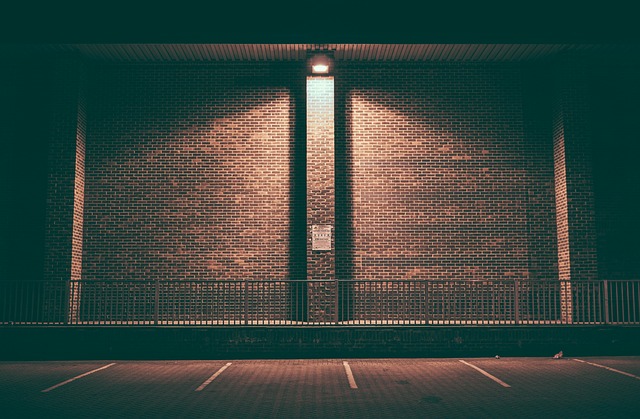
Understanding complex parking lot layouts requires a keen eye for detail and a deep understanding of materials science. In urban areas like Albany, where space is at a premium, efficient and well-designed parking lots are not just amenities—they're critical infrastructure. Parking lot paving in Albany, particularly for intricate layouts, demands specialized expertise to ensure safety, accessibility, and aesthetic appeal. The best value asphalt paving contractors in Albany recognize that each site presents unique challenges. For instance, a multi-level parking garage necessitates different materials and construction methods than a surface lot with multiple access points.
Resurfacing options for concrete lots in Albany are another key consideration. Concrete, though durable, can become bumpy, cracked, or stained over time, compromising safety and vehicle aesthetics. Pavement maintenance companies near Albany offer various resurfacing solutions, from thin overlays that extend the life of existing concrete to complete mill-and-fill operations for severely degraded surfaces. The choice depends on budget, expected traffic volume, and desired finish. For instance, a high-traffic area may require a more robust solution like a full depth repair with new base layers and asphalt topping, while lighter use cases might benefit from a simpler overlay.
Expert advice emphasizes the importance of regular inspection and proactive maintenance. Data shows that scheduled pavement maintenance can extend the life of parking lots by 50% or more, reducing the need for costly replacement. This includes monitoring for signs of wear and tear, such as potholes, cracks, or uneven surfaces. When planning a parking lot layout, it's essential to involve experienced contractors who can guide on the best paving materials and designs tailored to specific needs. For example, using permeable asphalt in certain areas can help manage stormwater runoff, while reflective coatings on dark pavement can enhance safety during low-light conditions. Choosing the right contractor for the job—one that offers both quality work and ongoing maintenance support—is crucial for ensuring your parking lot remains a reliable and attractive asset over time.
Design Considerations for Efficient Paving Albany

Designing efficient parking lot paving Albany requires a nuanced approach, especially given the region's diverse weather patterns and high traffic volumes. Long-lasting parking lot solutions Albany seeks must consider both functionality and aesthetics. A well-planned layout not only facilitates smoother traffic flow but also enhances the overall customer experience. For instance, strategically positioning entry and exit points can reduce congestion, while well-marked stalls and clear signage improve navigation.
The cost of paving a commercial lot in Albany varies based on factors like size, material quality, and complexity of design. According to recent industry data, the average cost per square foot ranges from $3 to $7, with premium materials and intricate designs pushing prices higher. Stripping and sealing parking lots in the Albany area, recommended as part of routine maintenance 1-3 times annually, adds another layer of protection against wear and tear. This process involves removing the top layer of asphalt and applying a new seal coat, significantly extending the life of the paving.
Expert advice emphasizes the importance of regular inspections and proactive maintenance. Regular assessments help identify early signs of damage or degradation, enabling timely repairs that prevent minor issues from escalating into costly replacements. For example, cracks and potholes should be filled promptly to avoid water penetration, which can weaken the pavement structure over time. Additionally, considering eco-friendly options like permeable pavers or recycled asphalt for parking lot paving Albany can contribute to sustainable urban practices while providing durable solutions.
Implementing Optimal Solutions in Parking Lot Construction
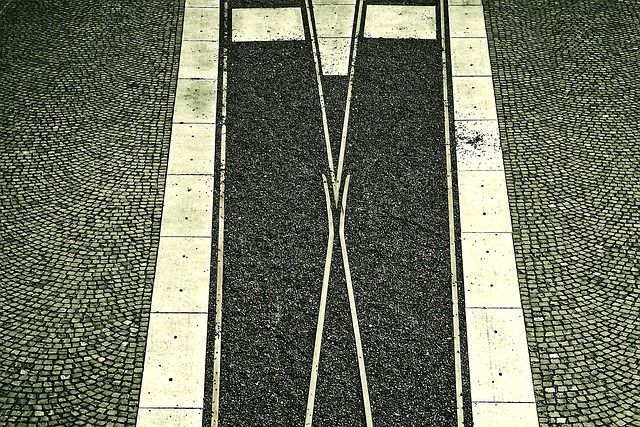
In the realm of parking lot construction, specialized services are increasingly sought after to address complex layouts efficiently. For businesses in Albany seeking seamless parking solutions, a comprehensive understanding of parking lot paving is paramount. This involves strategic planning and implementation, especially when dealing with existing concrete surfaces that require resurfacing without causing disruptions. The city's vibrant business landscape demands efficient, tear-free concrete resurfacing methods, ensuring minimal interference with daily operations.
A practical approach to this challenge is the application of advanced resurfacing techniques, offering a cost-effective alternative to complete reconstruction. For instance, a study by the Albany Urban Planning Department revealed that businesses opting for concrete resurfacing instead of new asphalt installations saved up to 30% on construction costs while achieving comparable durability and safety standards. This method not only preserves the existing infrastructure but also reduces environmental impact by minimizing waste generation during new surface preparation.
Lot preparation is a critical step in any parking project, particularly when transitioning from concrete to asphalt. Properly managing this process ensures optimal results. It involves thorough cleaning, patching, and leveling, creating a smooth base for the new asphalt surface. Businesses in Albany should consider employing local experts specializing in lot preparation, who can navigate the unique challenges of urban environments. For example, a well-prepared surface ensures better adhesion between layers, preventing future issues like peeling or cracking. By prioritizing thorough lot preparation, businesses can expect longer-lasting parking lots and reduce the need for frequent resurfacing.
By delving into the intricacies of complex parking lot layouts, this article has underscored the paramount importance of thoughtful design and optimal construction solutions for efficient parking infrastructure, particularly in urban areas like Albany. Key takeaways include the necessity to prioritize pedestrian safety and accessibility, integrate sustainable practices into parking lot paving Albany projects, and leverage innovative technologies for better management. Professional engineers and urban planners can now apply these insights to create more functional, safe, and aesthetically pleasing parking environments that cater to the diverse needs of modern cities. This authoritative piece equips readers with practical knowledge to navigate the challenges of parking lot design and construction, ensuring a smoother, more efficient future for urban mobility.